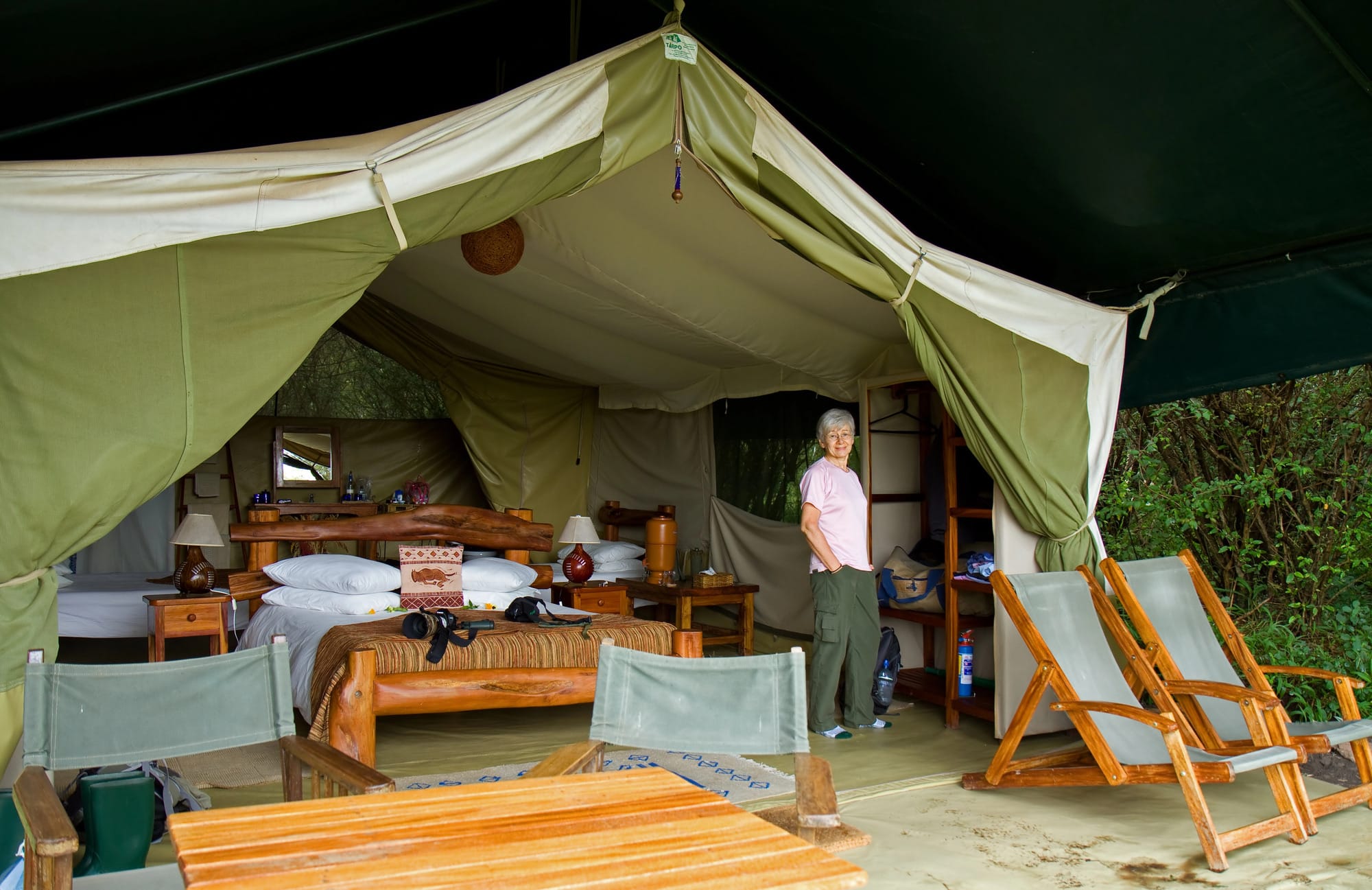
The taxonomy
Everyone chooses on interiors. It is the variable that matters least.
A beautiful room is a beautiful room. What changes a safari is the form the night takes — how early you can leave, how many other people exist, what happens when you want to stay out after dark, and how much of the trip is spent packing.
The forms
Six ways to spend a night, and they are not interchangeable
This is not a list of hotels with an arrangement behind it. We do not own camps; what we can offer is the taxonomy.
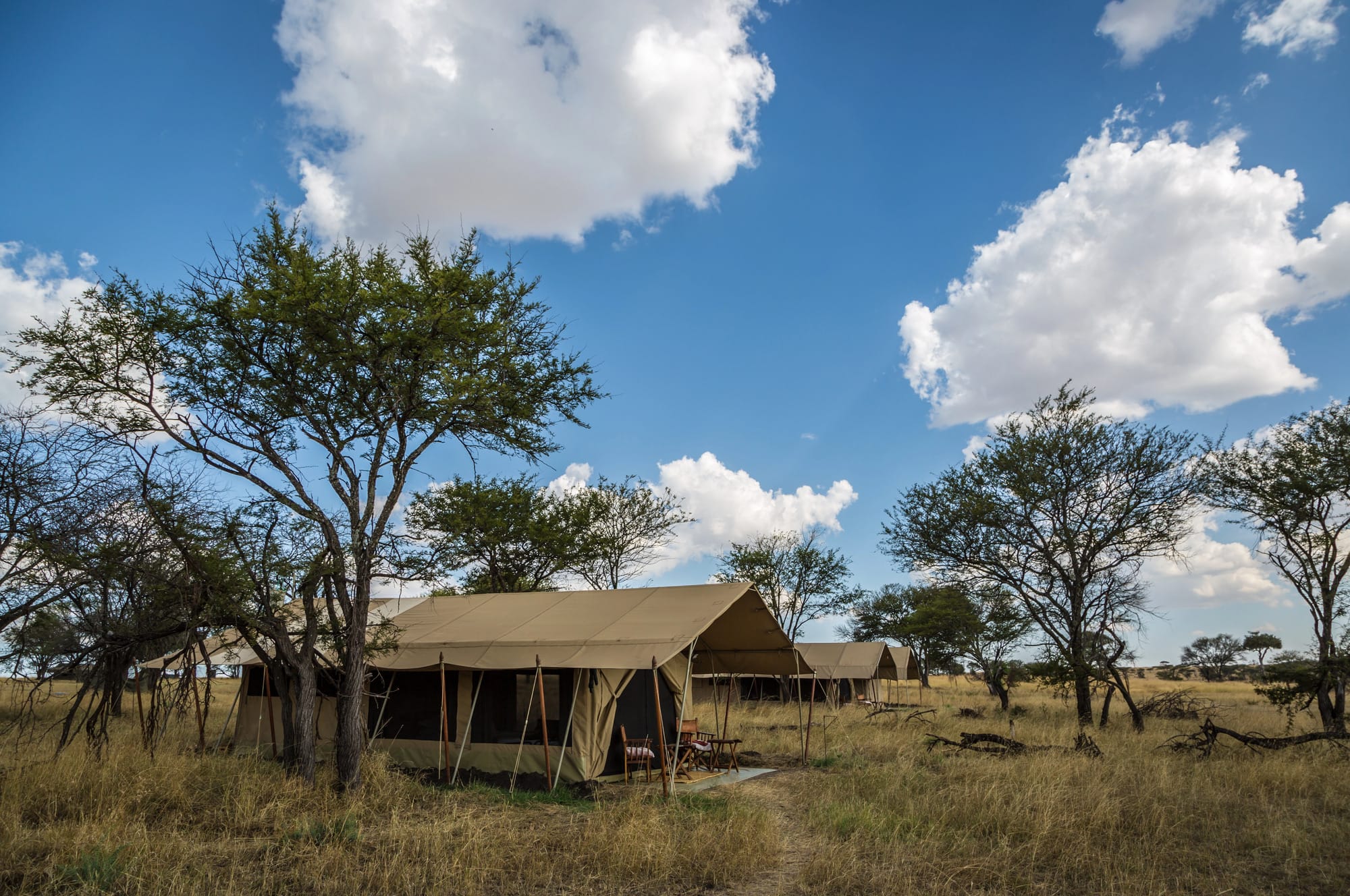
Fixed tented camp
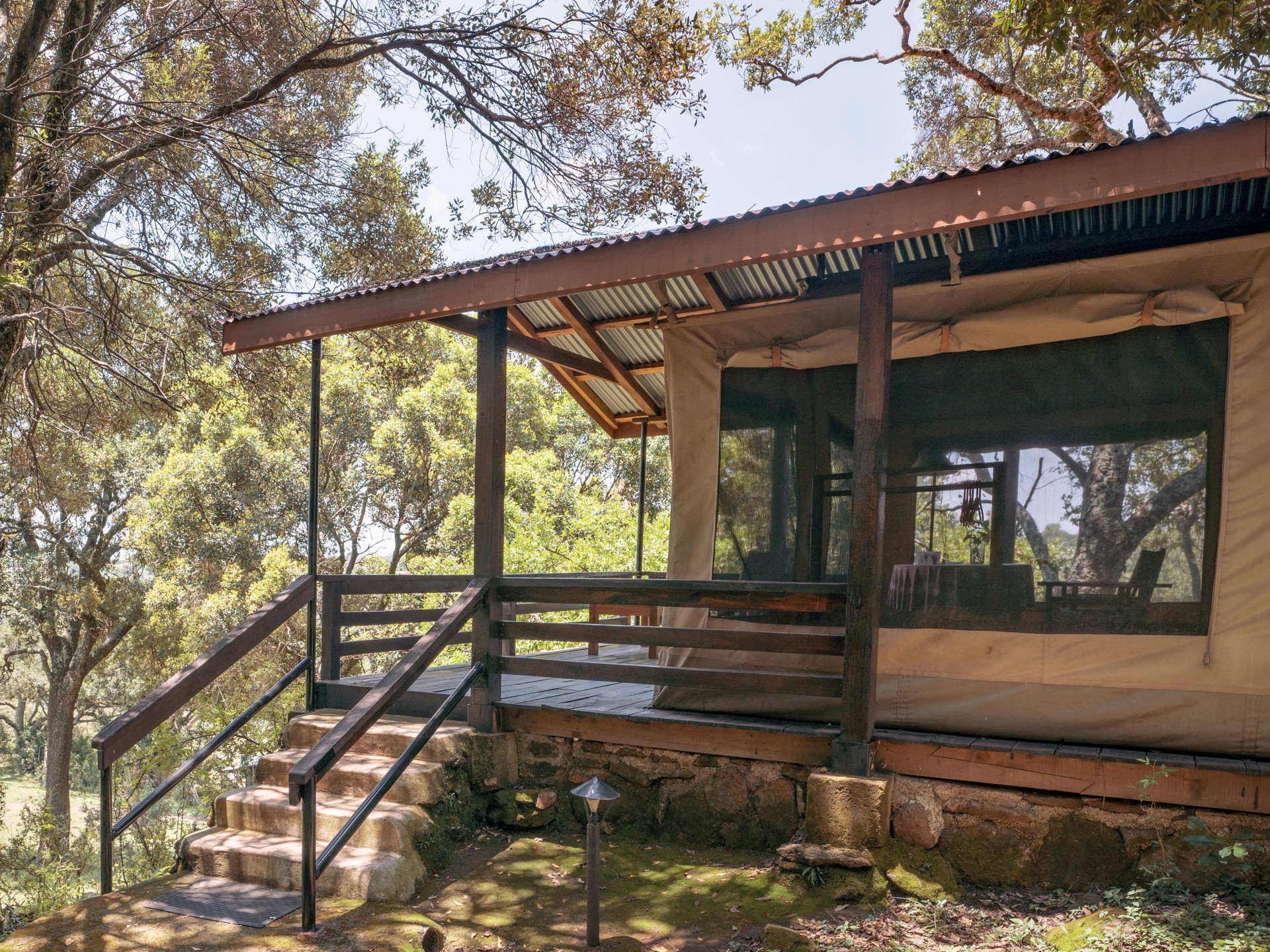
Canvas on a platform, six to twelve tents, plumbed and permanent. The default form of a good safari, and usually the right one.
What it is like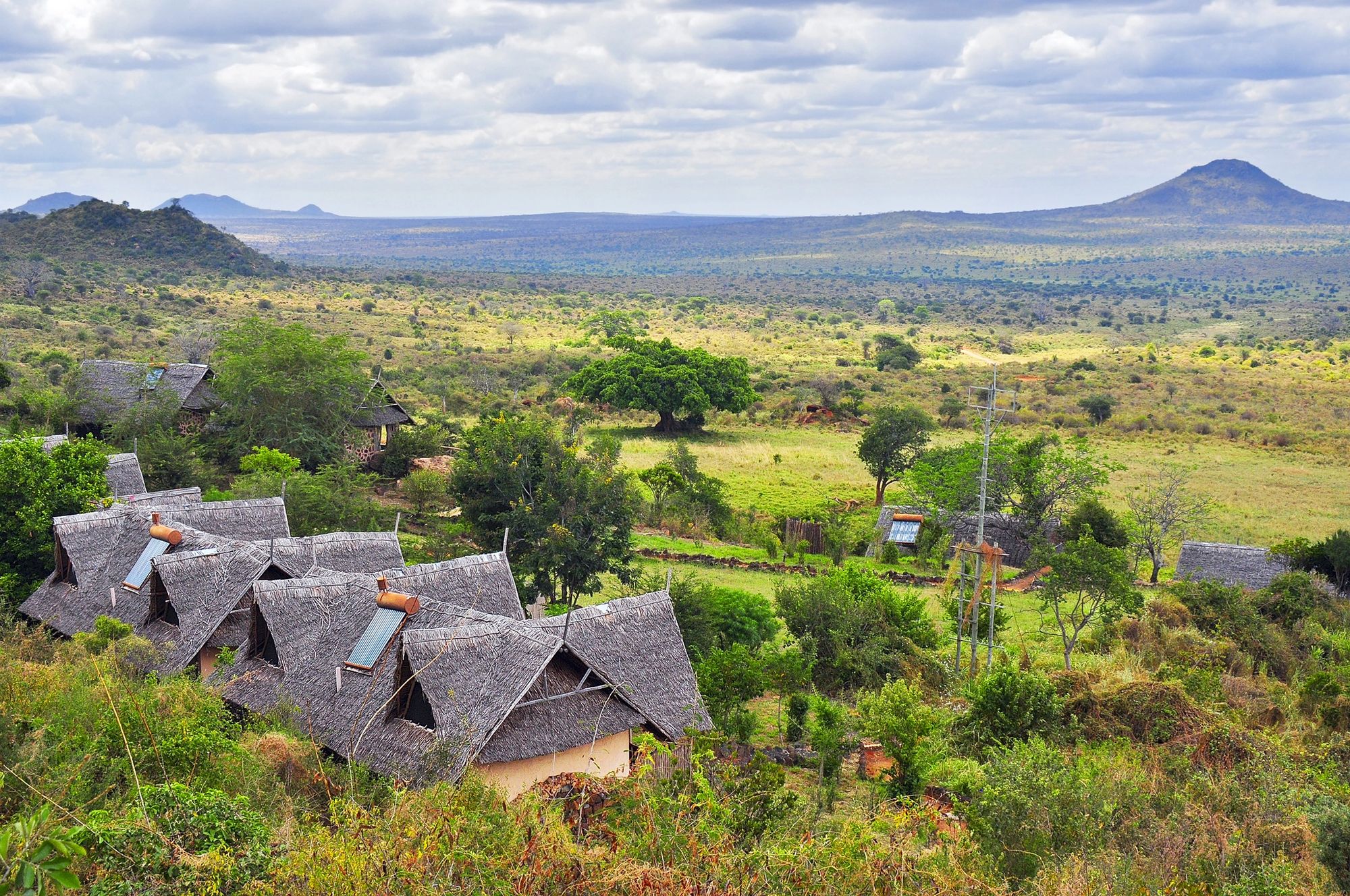
Lodge
Built rooms, twenty to forty of them, often a pool and a spa. Warmer and more solid; also more institutional.
Camp or lodge
Mobile camp
Put up for your arrival, taken down after you leave, with a crew moving ahead of you. The oldest meaning of the word safari.
How it works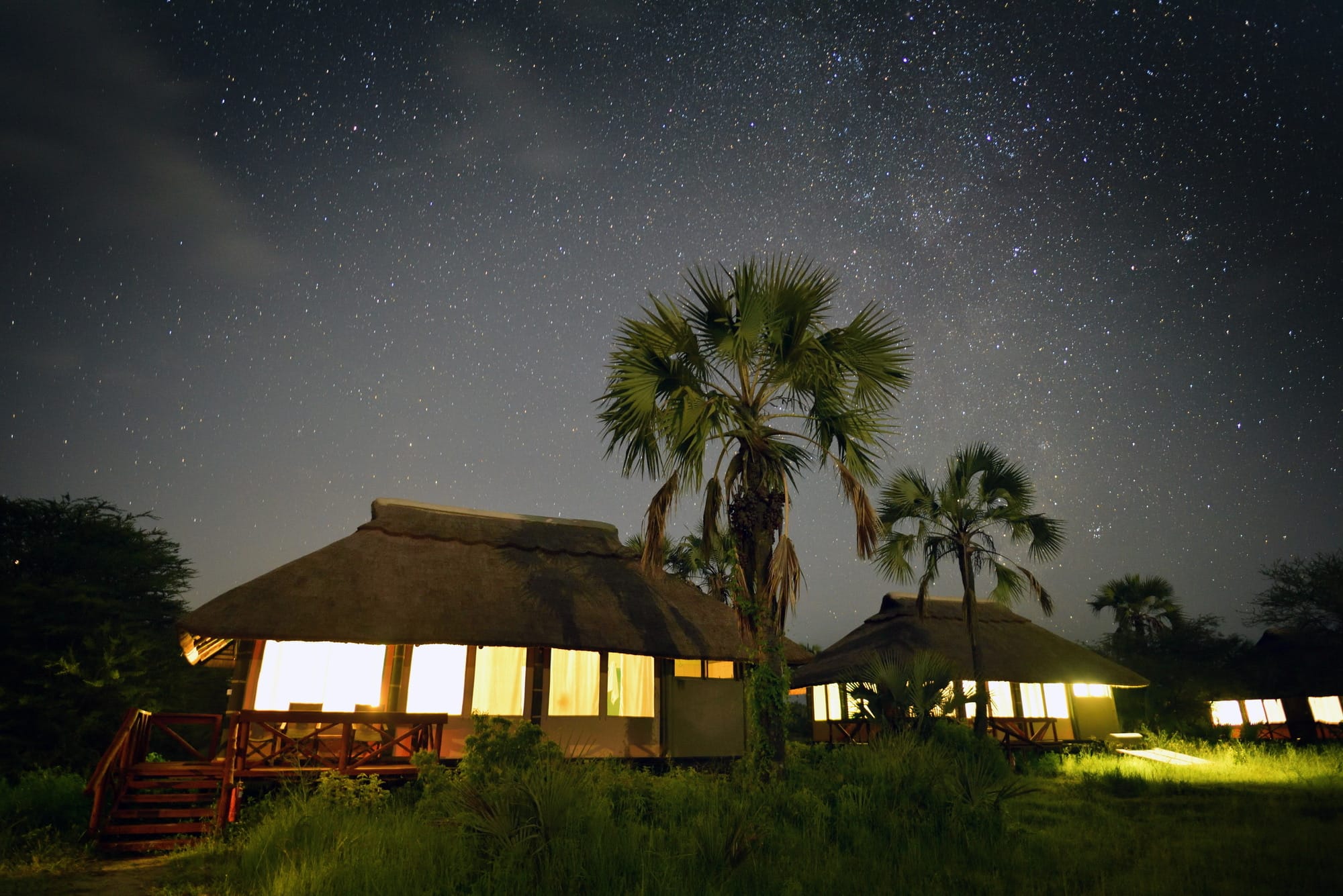
Fly camp
One or two nights in something very light — a bedroll under a net, a fire, dinner cooked in front of you. The nights people remember.
Two nights of it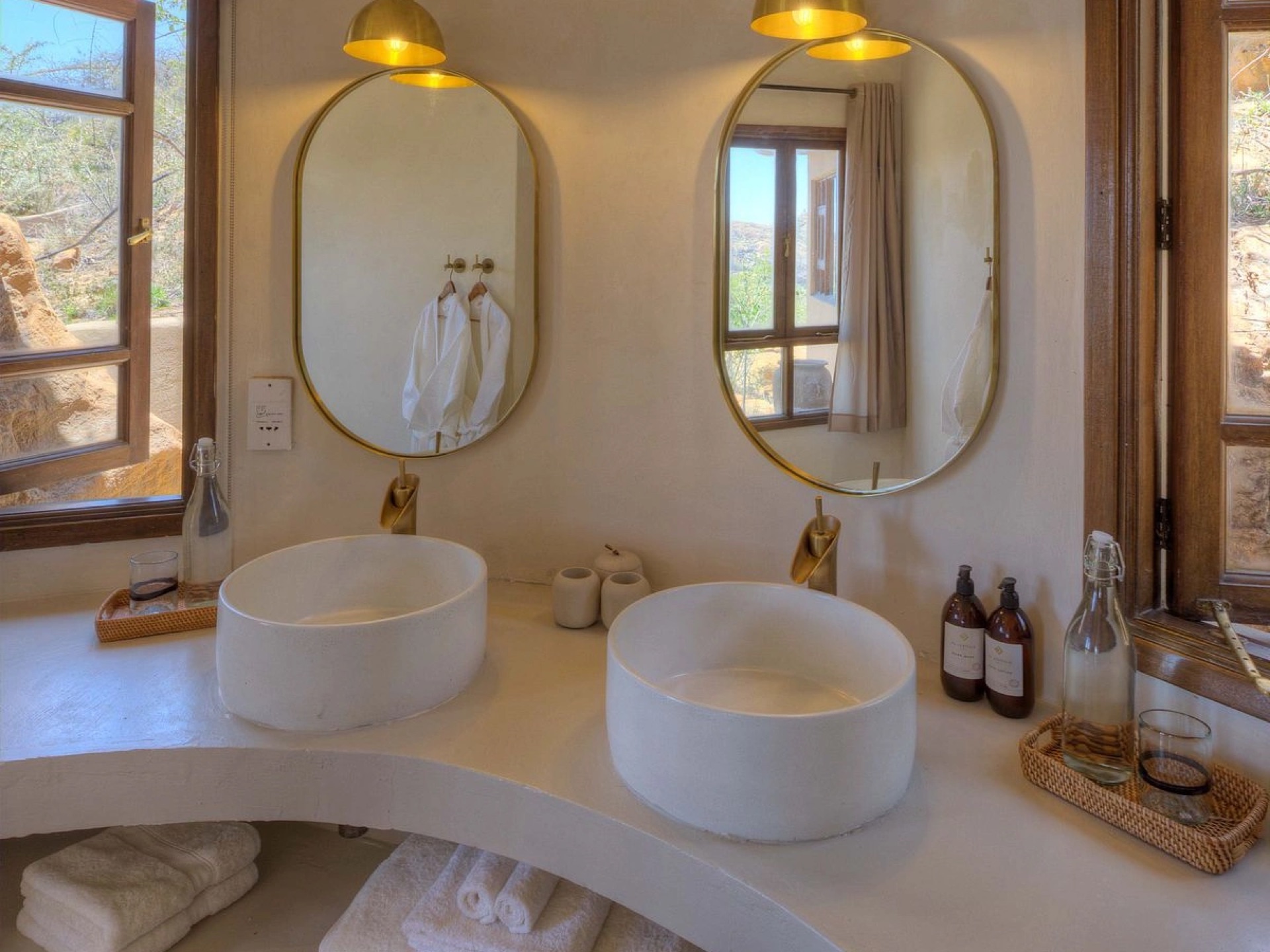
Private house
A whole house with its own staff, vehicle, guide and chef. For six or more it is frequently better and cheaper per head.
The maths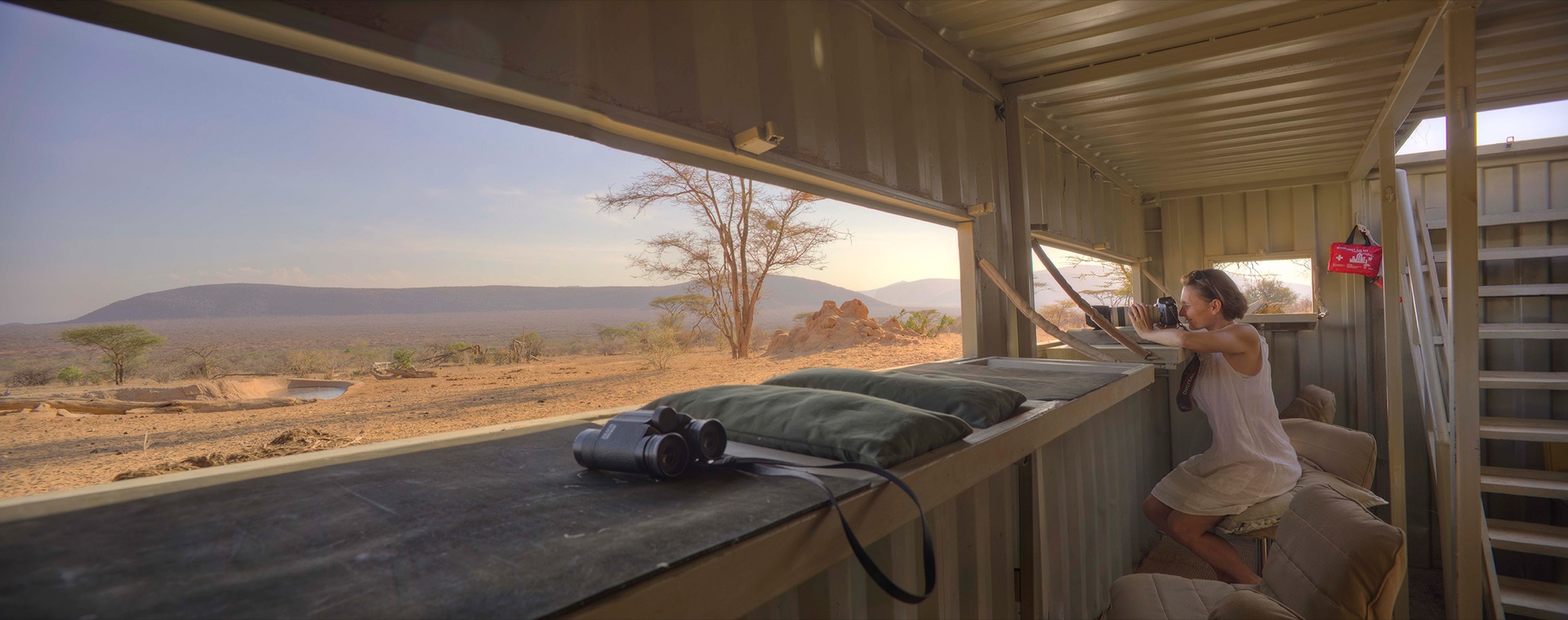
The unusual
A hide with a bed in it, a star bed on a platform, a boat that sleeps you on the water. One-night ideas, not whole trips.
The odd onesThe question nobody asks
How many tents?
"Luxury tented camp" covers a bed under canvas and a suite with a plunge pool, and it is not a grade. The number that actually predicts your week is the count.
A camp of eight tents can leave at five because there are sixteen of you and the chef knows. A camp of thirty-six has a breakfast service, a departure board and a schedule that belongs to the building. Both can be beautiful; only one of them bends.
It is a single question, it always has an answer, and it tells you more than every photograph on the website.
- Six to twelve tents: the camp bends around its guests
- Twenty to forty rooms: you bend around the camp
- Whole-house or mobile: nothing to negotiate, it is yours
- The count is public, and a reluctance to give it is itself an answer
Free download
Six Forms of Camp
Six forms, what each is genuinely like at five in the morning, and which one suits how you actually travel.
- Why interiors are the wrong thing to choose on
- Fixed tented camp
- Lodge
- Mobile camp
- Fly camp
- Private house or villa
- The genuinely unusual
- How to mix them across one trip
- What each costs
No cost, no obligation. We ask for an email so we can send it and, if you want it, follow up once.
Before you ask
Questions about where you sleep
Is a tented camp safe?
Camps in unfenced areas are staffed overnight and you are walked to and from your tent after dark. That is the protocol everywhere and it is not theatre — animals do move through camp, which is why the rule exists.
The genuine discomfort for most first-timers is not danger but noise. You hear everything. Most people find by the third night that this was the best part.
Camp or lodge for a first safari?
A small fixed camp, for most people. It is closer to the thing you came for, and a camp of eight tents can leave at five in the morning in a way a forty-room lodge cannot.
A lodge is the better answer for genuine cold at altitude, for anyone nervous about canvas, for small children, and for the first or last night of a long trip.
Is a private house worth it?
For six or more people travelling together it is frequently both better and cheaper per head than the same party in individual tents, and it removes every negotiation about when the vehicle leaves.
Below about six the per-head arithmetic stops working, and a small camp with a private vehicle usually wins instead.
What is fly camping actually like?
A bedroll under a mosquito net, a canvas bathroom dug for the night, a fire, and dinner cooked in front of you. One or two nights, from a main camp, on land that permits it — which rules out national parks.
Almost nobody books a whole trip of it. Almost everybody who does two nights remembers those two above all the others.
Who actually arranges my safari?
This site is a planning guide. When you send an enquiry it goes to Nomad Africa, our partner travel agency in Kenya, who prepare your itinerary and quote and handle the booking, the payments and you on the ground.
You deal with one team from the first email to the airport transfer home.
Start planning
Tell us how you actually like to travel
Whether you want to hear everything at night or sleep behind a wall, whether the party is two or ten, and whether you want one night that is nothing like the others.
Our Africa specialist replies within 24 hours with the forms that suit, named camps in each, and an itemised price.
- Named camps with the number of tents stated
- The form of each night, not just the address
- An honest note where a form and a wish do not match
- No deposit to see a plan, and no obligation at any point
Who answers
Nomad Africa, our partner travel agency in Nairobi, builds and prices every itinerary we send. You deal with one team, on the ground, for the whole trip.
Founded in 2017 as East Africa’s only dedicated travel magazine, Nomad still publishes — so the people planning your trip are the ones who write about these places for a living.
Get your tailored itinerary and quote
Our Africa specialist replies within 24 hours with a costed plan built around your dates.
More from our Africa guides
Specialist guides across our Africa network
Each of these is a focused guide we publish. Same Africa specialist behind every enquiry.